If you run a warehouse, you already know how much time training takes out of the operation.
You bring in new starters, pair them with experienced staff, run through safety briefings, explain processes, and then repeat the same explanations again across shifts. It adds up quickly.
The problem is not just the time you invest. It is how much of that time actually translates into consistent understanding on the floor.
Where training time really goes
Most warehouse training time is not spent delivering new information. It is spent repeating it.
You explain the same picking process multiple times. You walk different groups through the same safety procedures. Supervisors answer the same questions shift after shift.
On top of that, new starters rarely absorb everything the first time. They forget steps, misunderstand instructions or rely on whoever they are shadowing. That adds even more time through correction and supervision.
If you step back, a large part of your training effort is reactive.
Why traditional training slows you down
Written SOPs and induction packs are necessary, but they are not efficient training tools.
You cannot expect someone to read a document and then apply it immediately in a busy warehouse environment. They need context. They need to see how the process actually works in your building, with your systems and your layout.
That usually means taking someone away from productive work to show them.
It also means the quality of training depends heavily on who is delivering it. One supervisor might be thorough. Another might skip steps. Over time, that variation costs you more time in corrections and rework.
Giving people a visual starting point
Video changes the starting point for training.
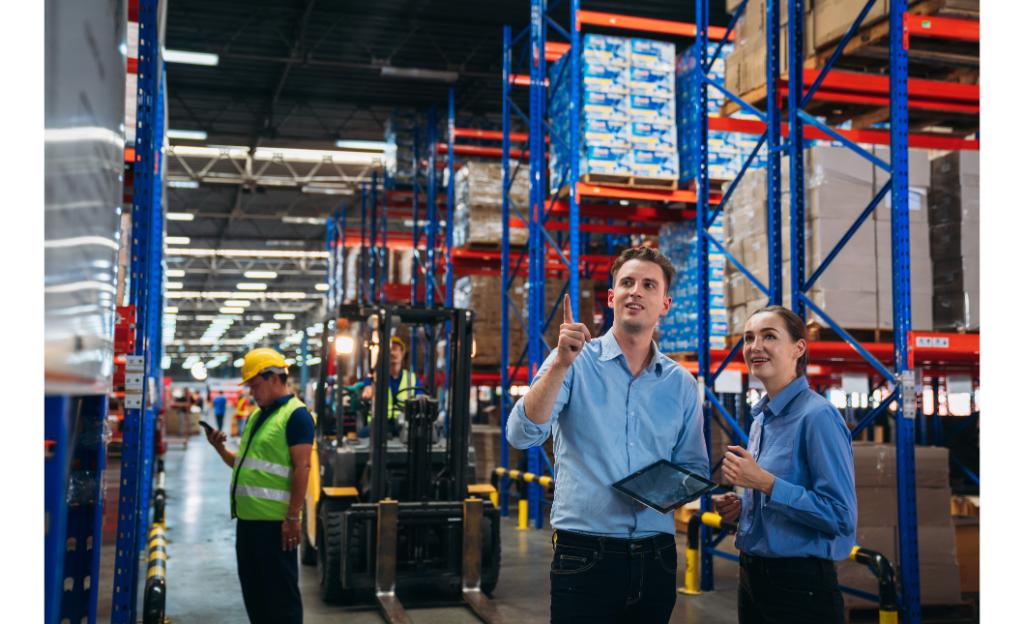
Instead of beginning from scratch with every new starter, you give them a clear, visual reference before they step onto the floor.
They can see how processes are carried out properly. They can understand the sequence of tasks. They can recognise equipment and workflows before they are under pressure to perform.
That initial clarity reduces the number of explanations you need to repeat.
Reducing repetition across shifts
One of the quickest wins with video is consistency across shifts.
When you rely on supervisors to deliver training, you inevitably get variation. When you use video, every new starter sees the same version of the process, explained in the same way.
That means:
• Fewer basic questions
• Fewer misunderstandings
• Less need to re-explain simple tasks
You are not removing supervision. You are making it more efficient by removing the need to cover the same ground repeatedly.
Supporting faster onboarding and refresher training
When someone starts on site, the first few days are when most time is lost.
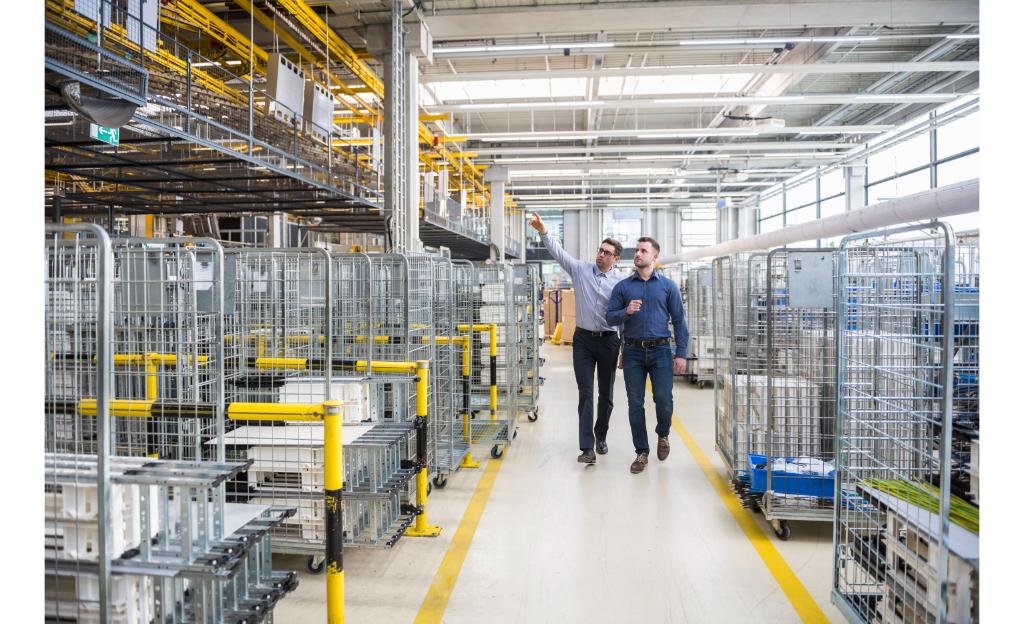
If they can watch core processes in advance, or revisit them easily during their first shifts, they reach a basic level of confidence much faster. There’s no need to rush them. Rather, you are reducing the time spent getting them to a point where they can contribute safely and consistently.
Processes change. Layouts change. Equipment is updated. Each change usually triggers another round of explanations, briefings or toolbox talks.
With video, you can update the content once and use it repeatedly.
Instead of pulling groups off the floor for refresher sessions, you can direct people to the updated section and reinforce it in context. That keeps disruption to a minimum.
Freeing up your experienced staff
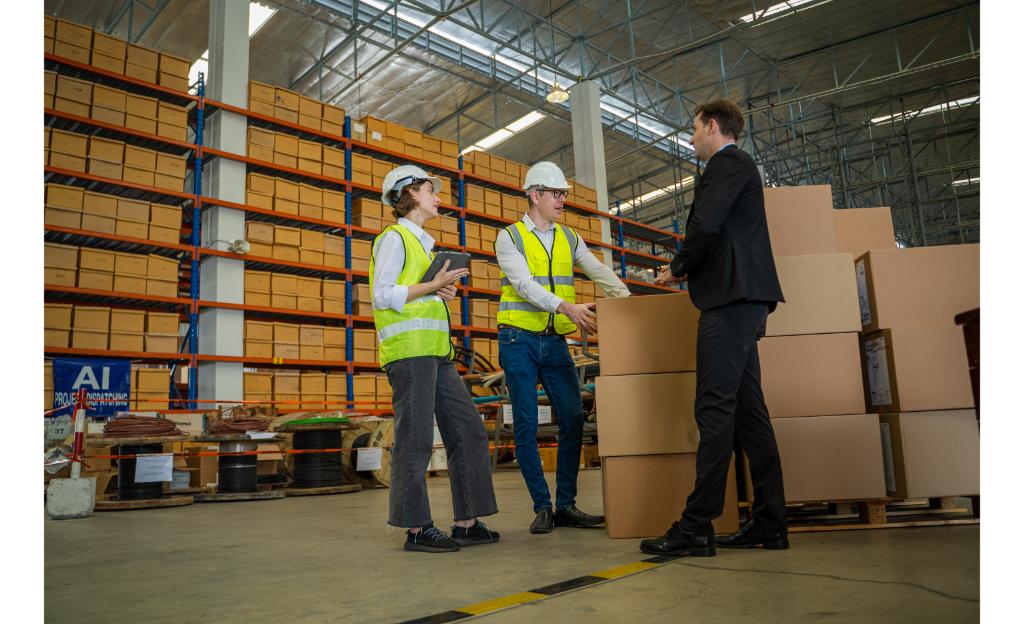
Your most experienced operators are often your default trainers.
They are also some of your most valuable people in terms of productivity.
When they spend a large part of their time explaining basic processes, you are effectively removing high-value labour from the operation.
Video allows you to capture that knowledge once, so they do not have to repeat it constantly. Their role shifts from explaining everything to reinforcing and coaching where it matters.
Where the time saving really comes from
The time saving is not one single change. It builds across several areas:
• Less time repeating core explanations
• Fewer interruptions for basic questions
• Faster initial understanding for new starters
• Reduced need for group retraining sessions
Individually, these improvements can seem small. In a busy warehouse, they compound quickly.
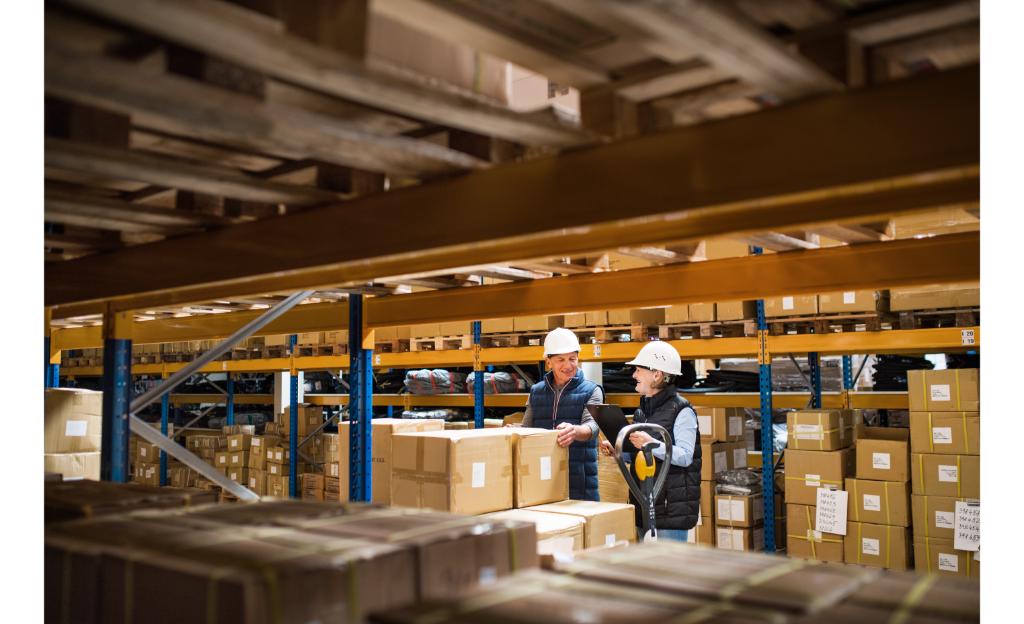
Making it work in a real warehouse
For video to reduce training time, it has to reflect your actual operation.
That means filming real processes, in your warehouse, with your equipment and your workflows. It also means structuring content so people can find and revisit what they need without friction.
At Super Motion, that is exactly what we focus on. We take your existing SOPs and induction material and turn them into practical video content that supports training on the floor, not just in a meeting room.
To find out more about our training and industrial video production service, please book a no-obligation free 30-minute strategy call or email us at hello@supermotion.co.uk.